


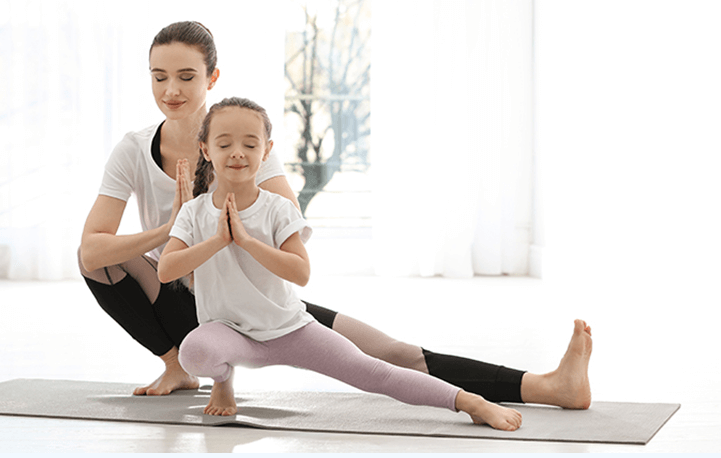
In today’s fast-paced world, maintaining a healthy lifestyle has become more important than ever. Among the many wellness practices available, yoga stands out as one of the most effective and holistic approaches to improving both physical and mental health. Originating in ancient India over 5,000 years ago, yoga has evolved into a globally recognized practice that promotes balance, flexibility, strength, and inner peace.
What Is Yoga?
Yoga is a combination of physical postures, breathing exercises, and meditation techniques designed to unite the body, mind, and spirit. The word “yoga” comes from the Sanskrit term meaning “union” or “connection.” Through regular practice, individuals can develop greater awareness of their bodies, improve their concentration, and achieve a deeper sense of relaxation.
Benefits of Yoga
1. Improves Flexibility and Strength
One of the most noticeable benefits of yoga is increased flexibility. Many yoga poses stretch muscles and joints, helping the body move more freely. At the same time, holding various postures builds muscle strength and improves overall physical fitness.
2. Reduces Stress and Anxiety
Modern life often brings stress, anxiety, and mental fatigue. Yoga encourages mindfulness and deep breathing, which help calm the nervous system and reduce stress levels. Even a short daily yoga session can promote a sense of peace and emotional balance.
3. Enhances Mental Clarity
Yoga combines movement with focused breathing, helping practitioners improve concentration and mental clarity. Regular practice can boost memory, sharpen focus, and enhance productivity in daily activities.
4. Supports Heart Health
Research suggests that yoga may help lower blood pressure, reduce cholesterol levels, and improve circulation. These benefits contribute to better cardiovascular health and a reduced risk of heart-related conditions.
5. Improves Posture and Balance
Many people spend hours sitting at desks or looking at screens, leading to poor posture and back pain. Yoga strengthens core muscles and promotes proper alignment, helping improve posture and overall body balance.
Popular Types of Yoga
Hatha Yoga
A gentle form of yoga that focuses on basic postures and breathing techniques. It is ideal for beginners.
Vinyasa Yoga
A dynamic style that links movement with breath, creating a smooth flow between poses.
Ashtanga Yoga
A physically demanding practice that follows a specific sequence of postures to build strength and endurance.
Yin Yoga
A slower-paced style that involves holding poses for longer periods to improve flexibility and relaxation.
Restorative Yoga
Designed to promote deep relaxation and recovery through gentle stretches and supported poses.
Simple Yoga Poses for Beginners
If you’re new to yoga, consider starting with these beginner-friendly poses:
- Mountain Pose (Tadasana)
- Child’s Pose (Balasana)
- Downward-Facing Dog (Adho Mukha Svanasana)
- Cat-Cow Stretch
- Tree Pose (Vrikshasana)
- Cobra Pose (Bhujangasana)
These poses help build a strong foundation while improving flexibility and body awareness.
Tips for Starting a Yoga Practice
- Begin with short sessions of 10–15 minutes daily.
- Focus on proper breathing techniques.
- Wear comfortable clothing.
- Use a yoga mat for support and stability.
- Listen to your body and avoid pushing beyond your limits.
- Practice consistently to experience long-term benefits.
Conclusion
Yoga is more than just a form of exercise—it is a lifestyle that promotes harmony between the body and mind. Whether your goal is to improve flexibility, reduce stress, increase strength, or enhance overall well-being, yoga offers a natural and effective solution. By incorporating yoga into your daily routine, you can enjoy a healthier, more balanced, and fulfilling life.
Start your yoga journey today and experience the positive transformation it can bring to your physical, mental, and emotional health.




Leave a Reply